Legal Heir & Succession Certificate
Legal Heir & Succession Certificate Lawyers in Hyderabad
Legal Heirship Proceedings, Succession Certificates, Declaration of Heirship & Inheritance Disputes Before Civil Courts
When a family member dies, surviving family members may be required to establish their legal heirship and succession rights to claim bank deposits, financial assets, property, pension benefits, shares, insurance claims and other estate-related entitlements. In cases involving disputed heirship, refusal by authorities, competing claims, missing records or legal objections, court proceedings may become necessary.
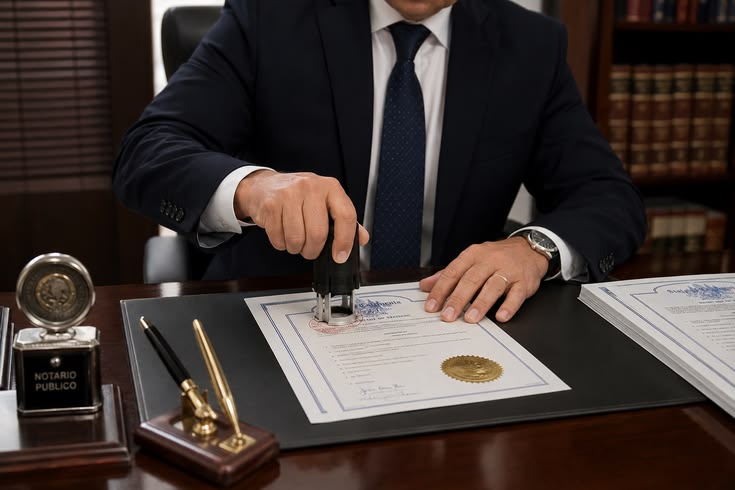
Need Legal Assistance for a Succession Certificate or Legal Heirship Matter?
Legal heirship disputes, succession certificate applications, inheritance claims, financial asset disputes and estate-related civil proceedings may require appropriate legal remedies before competent courts.
RJM Law Hyderabad provides legal assistance in succession certificate petitions, legal heirship declarations, inheritance disputes, probate, letters of administration, civil litigation and property inheritance matters.
For legal consultation regarding legal heirship, succession certificates or inheritance disputes, contact Advocate Rajasri Manche at RJM Law.
RJM Law Hyderabad provides legal assistance in legal heirship proceedings, succession certificate petitions, declaration of legal heirs, inheritance disputes, estate-related civil litigation and proceedings before competent courts in Hyderabad and Telangana.
Legal Services Relating to Succession & Heirship
- Legal Heirship Declaration Proceedings
- Succession Certificate Petitions
- Declaration of Legal Heirs
- Inheritance & Succession Disputes
- Letters of Administration
- Probate Proceedings
- Civil Suits Relating to Succession
- Property Inheritance Litigation
Need a Legal Heir or Succession Certificate from Court?
Establishing the legal heirs of a deceased person may become necessary where banks, financial institutions, government departments, insurance companies, employers, companies, authorities or other institutions require proof of succession or legal entitlement.
Where there are disputes between family members, objections to heirship, discrepancies in family records, refusal to recognise legal heirs or a requirement for judicial determination of rights, appropriate proceedings may be instituted before the competent court.
RJM Law Hyderabad provides legal assistance in succession certificate petitions, legal heirship declaration proceedings, inheritance disputes, civil suits and related legal proceedings before competent courts.
For legal assistance regarding succession certificates, legal heirship declarations or inheritance disputes, contact Advocate Rajasri Manche at RJM Law.
Legal Heirship & Succession Proceedings Before Courts
RJM Law represents individuals, surviving spouses, children, parents, legal heirs and other persons claiming rights in the estate of a deceased person in proceedings involving succession certificates, declaration of heirship, inheritance disputes, civil litigation and related judicial remedies.
Legal heirship and succession matters may involve establishing the relationship with the deceased, identifying the surviving legal heirs, determining the nature of the estate, examining applicable succession laws, addressing objections and seeking appropriate legal remedies before competent courts.
Depending on the nature of the claim, proceedings may involve the Indian Succession Act, 1925, applicable personal laws, civil procedure and other relevant legislation.
What Is a Legal Heirship Declaration?
Legal heirship refers to the identification of persons who are legally entitled to inherit or claim rights in the estate of a deceased person under applicable succession law.
In situations where the identity, status or rights of legal heirs are disputed, or where an institution requires judicial determination, proceedings before a competent civil court may be necessary to establish legal rights.
Legal heirship-related court proceedings may arise where:
- Legal heirs are not recognised by authorities or institutions.
- There are disputes regarding the surviving family members.
- A family member is excluded from the claim of succession.
- There are objections to the identity or status of legal heirs.
- Records relating to the deceased or surviving family members are incomplete or disputed.
- There are competing claims regarding inheritance.
- A judicial declaration is required regarding legal rights.
- Administrative authorities refuse to recognise a legitimate claim.
The appropriate proceedings depend on the nature of the relief required, applicable succession law, jurisdiction and the facts of the case.
Succession Certificate Proceedings Before Civil Courts
A succession certificate is a court-issued certificate under Part X of the Indian Succession Act, 1925, relating to the debts and securities of a deceased person.
A succession certificate may be required to establish the authority of a person to collect specified debts and securities of the deceased, subject to the provisions of the Act and the order of the competent court.
Proceedings for a succession certificate may involve:
- Bank deposits and fixed deposits
- Debts due to the deceased
- Shares and securities
- Debentures
- Financial investments
- Securities issued by government authorities
- Securities issued by companies or institutions
- Other debts and securities covered under the applicable law
Succession certificate proceedings may become necessary where financial institutions, banks, companies or other entities require a judicial certificate before releasing amounts or transferring specified securities.
Succession Certificate Under the Indian Succession Act, 1925
Proceedings for a succession certificate are governed by Part X of the Indian Succession Act, 1925, including Sections 370 to 390, subject to applicable provisions.
The petition generally requires particulars relating to:
- The date and details of the death of the deceased.
- The ordinary residence of the deceased.
- The family members and near relatives of the deceased.
- The applicant’s relationship and entitlement.
- The debts and securities for which the certificate is sought.
- Other particulars required under the Act.
The competent court examines the petition, issues notices as required, considers objections and evidence, and determines whether a succession certificate should be granted.
Legal Heirship Certificate & Succession Certificate – Difference
A legal heir or family member certificate and a succession certificate are not the same legal document.
Legal Heir / Family Member Certificate
A family member or legal heir certificate, where issued by the competent administrative authority, may identify the surviving family members of a deceased person for specified administrative purposes.
Such certificates may be required for:
- Government employment-related benefits
- Pensionary benefits
- Gratuity claims
- Provident fund claims
- Administrative records
- Revenue and municipal records
- Certain financial and institutional claims
The nature, purpose and legal effect of the certificate depend on the issuing authority and applicable rules.
Succession Certificate
A succession certificate is granted by a competent court under the Indian Succession Act, 1925, in respect of specified debts and securities of the deceased.
It may be required for:
- Bank deposits
- Shares and securities
- Debts owed to the deceased
- Financial claims
- Certain investment-related claims
A succession certificate does not determine ownership or title to immovable property. Property inheritance disputes involving land, houses, flats and other immovable assets may require different civil proceedings depending on the relief sought.
Declaration of Legal Heirs Before Civil Courts
In certain situations, surviving family members may need to seek a declaration from a competent civil court concerning their legal status, inheritance rights or entitlement to the estate of a deceased person.
Such proceedings may arise where:
- The legal heirship of a deceased person is disputed.
- One or more family members deny the rights of other heirs.
- A person is excluded from the inheritance claim.
- Authorities or institutions refuse to recognise the claimant’s rights.
- There are competing claims under different documents.
- The legal relationship or inheritance entitlement requires adjudication.
- There is a dispute concerning the estate of the deceased.
Depending on the facts and the relief sought, a declaratory suit, succession proceeding or other appropriate legal proceeding may be required.
Inheritance & Succession Disputes
Inheritance disputes frequently arise between family members, surviving spouses, children, siblings and other persons claiming rights in the estate of a deceased person.
Such disputes may involve questions concerning succession, ownership, legal heirship, wills, family relationships, estate distribution and entitlement to assets.
RJM Law provides legal assistance in inheritance-related disputes involving:
- Disputes between legal heirs
- Exclusion of surviving family members
- Disputes concerning inheritance rights
- Disputed family relationships
- Disputes concerning wills
- Claims involving ancestral and inherited property
- Disputes involving deceased persons’ assets
- Civil suits concerning succession and inheritance
- Declaration of legal rights
- Injunction proceedings concerning inherited property
Where disputes involve immovable property, appropriate civil remedies may include declaration, partition, injunction, possession and other reliefs, depending on the nature of the claim.
Letters of Administration & Probate Proceedings
Where a deceased person has left a Will or where administration of an estate requires court intervention, proceedings for probate or letters of administration may be necessary, depending on the circumstances and applicable law.
Legal assistance may involve:
- Probate proceedings
- Letters of administration
- Administration of deceased estates
- Disputes concerning Wills
- Challenges to testamentary documents
- Estate-related civil litigation
- Proceedings involving executors and beneficiaries
The requirement for probate or letters of administration depends on the applicable law, the nature of the estate, the Will and the circumstances of the case.
Succession Claims Involving Bank Accounts, Shares & Financial Assets
Claims involving bank accounts, fixed deposits, shares, investments, securities and other financial assets of a deceased person may require legal documentation or court proceedings.
Legal assistance may be required where:
- Banks refuse to release amounts to the surviving heirs.
- There is no nomination or the nomination is disputed.
- Financial institutions require a succession certificate.
- There are competing claims from family members.
- Shares or securities cannot be transferred.
- Investment claims are disputed.
- Institutions insist on judicial documentation.
- The legal entitlement of the claimant is questioned.
Appropriate legal remedies may involve succession certificate proceedings or other legally permissible procedures, depending on the asset and the requirements of the institution.
Succession & Property Inheritance Disputes
Inheritance of immovable property may give rise to disputes involving ownership, title, possession, partition, mutation, transfer of property records and competing claims between family members.
Such matters may involve:
- Inherited house and land disputes
- Disputes concerning ancestral property
- Property claims by legal heirs
- Partition of inherited properties
- Declaration of title
- Injunction proceedings
- Mutation disputes
- Disputes concerning property documents
- Disputes concerning testamentary succession
- Civil litigation involving inherited assets
Succession certificates are generally concerned with debts and securities and are not the remedy for establishing title to immovable property. Depending on the dispute, a civil suit or other appropriate proceeding may be required.
Civil Litigation Relating to Legal Heirship & Succession
Civil court proceedings may become necessary where legal heirship, inheritance, estate administration or rights over the deceased person’s assets are disputed.
Legal proceedings may involve:
- Declaration of legal rights
- Declaration of heirship where legally maintainable
- Succession certificate petitions
- Probate proceedings
- Letters of administration
- Partition suits
- Property inheritance disputes
- Injunction proceedings
- Disputes concerning estate administration
- Civil appeals and related proceedings
The appropriate forum and relief depend on the nature of the claim, the value and type of assets, applicable legislation and jurisdiction.
Legal Heirship & Succession Matters Handled
Legal assistance and representation by RJM Law may involve:
- Succession certificate petitions
- Legal heirship declaration proceedings
- Declaration of inheritance rights
- Inheritance disputes
- Civil suits involving succession
- Probate proceedings
- Letters of administration
- Bank and financial asset claims
- Share and securities claims
- Estate-related litigation
- Property inheritance disputes
- Partition proceedings
- Injunction proceedings
- Civil appeals and related legal remedies
Why Approach RJM Law for Legal Heirship & Succession Matters?
Succession and legal heirship proceedings may involve multiple family members, financial institutions, property documents, statutory requirements and disputes concerning inheritance rights.
Identifying the appropriate legal remedy, establishing the relationship with the deceased, preparing the necessary pleadings and documents, addressing objections and seeking relief before the competent court may be essential to the proceedings.
RJM Law Hyderabad provides legal assistance in legal heirship declarations, succession certificate petitions, inheritance disputes, estate-related civil litigation and proceedings before competent courts.
FAQs
Is a legal heir certificate the same as a succession certificate?
No. A legal heir or family member certificate issued by an administrative authority and a succession certificate granted by a court are different documents. A succession certificate under the Indian Succession Act, 1925, relates to specified debts and securities of the deceased.
Can a legal heir certificate be obtained from a court?
The appropriate judicial proceeding depends on the relief required. Where heirship or inheritance rights require judicial determination, a declaratory civil proceeding or another appropriate proceeding may be maintainable, depending on the facts and applicable law. Administrative family member certificates and judicial declarations are not interchangeable.
Which court grants a succession certificate?
A succession certificate is granted by the competent court exercising jurisdiction under Section 371 of the Indian Succession Act, 1925, subject to the statutory requirements.
Can a succession certificate be obtained for land or a house?
A succession certificate under Part X of the Indian Succession Act, 1925, concerns debts and securities and does not establish title to immovable property. Inherited property disputes may require declaration, partition, injunction or other appropriate civil proceedings.
Can a succession certificate be obtained if other legal heirs object?
Yes, the court may hear objections and consider the evidence and competing claims before deciding whether and to whom a succession certificate should be granted, subject to the provisions of the Act.
Can a succession certificate be used to claim bank deposits?
A succession certificate may be used to establish the authority of the certificate holder to collect the specified debts and securities covered by the certificate, subject to the applicable law and the court’s order.
Can legal heirs file a civil suit if another heir refuses to recognise their rights?
Depending on the nature of the dispute, legal heirs may seek appropriate civil remedies, including declaration, partition, injunction or other reliefs before a competent court.
Does RJM Law handle succession certificate and legal heirship proceedings in Hyderabad?
RJM Law provides legal assistance in succession certificate petitions, legal heirship declaration proceedings, inheritance disputes, civil suits, probate, letters of administration and related proceedings before competent courts.

Facing a Cheque Bounce Dispute in Hyderabad?
Whether you need to initiate cheque bounce proceedings or defend a Section 138 NI Act complaint, timely legal guidance may become important for protecting financial and legal interests.
RJM Law Hyderabad provides legal assistance in cheque dishonour litigation, statutory legal notices, Section 138 NI Act complaints, settlement negotiations, criminal defence, recovery-related proceedings, and court representation.
For confidential legal consultation regarding cheque bounce disputes and NI Act proceedings, connect with Advocate Rajasri Manche at RJM Law.
RJM LAW
At RJM Law, we believe that behind every case file is a human story that deserves to be heard with empathy and defended with integrity.
Quick links
Copyright 2026 RJM Law, All Right Reserved
Disclaimer: This Website is for information purpose and not solicitation