Cheque Bounce Cases
Cheque Bounce Cases & Section 138 NI Act Matters in Hyderabad
Legal Assistance for Dishonoured Cheques, Recovery Proceedings & Defence in NI Act Cases
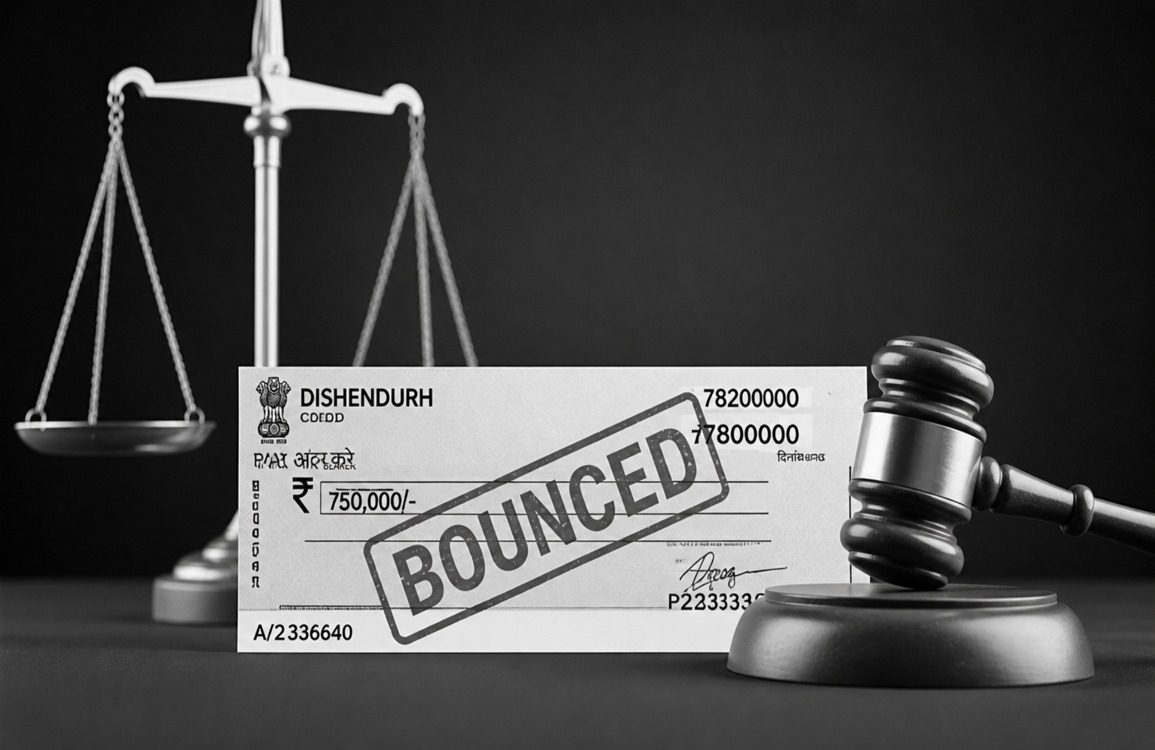
Cheque bounce disputes can result in criminal prosecution, financial liability, business complications, recovery litigation, and prolonged court proceedings. When a cheque is dishonoured due to insufficient funds, account closure, payment stoppage, signature mismatch, or other legally recognized reasons, remedies may arise under Section 138 of the Negotiable Instruments Act.
Facing a Cheque Bounce Dispute in Hyderabad?
Whether you need to initiate cheque bounce proceedings or defend a Section 138 NI Act complaint, timely legal guidance may become important for protecting financial and legal interests.
RJM Law Hyderabad provides legal assistance in cheque dishonour litigation, statutory legal notices, Section 138 NI Act complaints, settlement negotiations, criminal defence, recovery-related proceedings, and court representation.
For confidential legal consultation regarding cheque bounce disputes and NI Act proceedings, connect with Advocate Rajasri Manche at RJM Law.
RJM Law provides legal assistance in cheque dishonour and cheque bounce matters involving statutory legal notices, Section 138 NI Act complaints, recovery-related proceedings, settlement negotiations, criminal defence, trial representation, and appellate proceedings before courts in Hyderabad and Telangana.
Representation may involve personal transactions, business disputes, property transactions, partnership disputes, loan transactions, commercial liabilities, rental disputes, and financial dealings involving dishonoured cheques.
What Is a Cheque Bounce Case Under Indian Law?
A cheque bounce case generally arises when:
- A cheque issued towards discharge of a legally enforceable debt or liability is dishonoured by the bank.
- The cheque is returned unpaid for reasons recognized under law.
- Statutory legal notice requirements and limitation timelines under Section 138 of the Negotiable Instruments Act are complied with.
Cheque dishonour may occur due to:
- Insufficient funds
- Account closure
- Payment stopped by drawer
- Signature mismatch
- Exceeds arrangement
- Frozen account
- Technical banking reasons
- Other legally recognized grounds
Relevant statutory provisions may be referred through India Code and judicial precedents through Indian Kanoon.
Statutory Timelines in Cheque Bounce Cases
Cheque bounce matters involve strict statutory timelines under Section 138 of the Negotiable Instruments Act.
Step 1 — Issuing Legal Notice Within 30 Days
After dishonour of cheque, the payee is generally required to issue a statutory demand notice within 30 days from receipt of the bank return memo.
The legal notice commonly includes:
- Details of cheque transaction
- Cheque amount
- Date of dishonour
- Bank return memo details
- Demand for payment
- Legal consequences of non-payment
A detailed procedural guide may also be referred through: Cheque Bounce Legal Notice Timeline Guide
Step 2 — Statutory 15-Day Payment Period
After receipt of legal notice, the drawer generally receives 15 days to make payment of the cheque amount.
If payment is made within this statutory period, criminal liability under Section 138 may not arise.
Step 3 — Filing Complaint Within Limitation
If payment is not made within the statutory notice period, criminal proceedings may be initiated before the competent Magistrate Court within the prescribed limitation period under law.
Delay in issuing notice or initiating proceedings may affect available legal remedies.
Why Timely Legal Action Is Important
Cheque dishonour matters involve procedural compliance and statutory limitation periods.
Timely legal guidance may become important regarding:
- Drafting statutory legal notices
- Compliance with limitation timelines
- Filing Section 138 complaints
- Documentary evidence
- Banking records
- Settlement negotiations
- Defence strategy
- Trial proceedings
- Appeal proceedings
Important documents may include:
- Original cheque
- Bank return memo
- Legal notice copy
- Postal receipts and acknowledgements
- Agreements
- Transaction records
- Loan documents
- Financial records
- WhatsApp messages or emails relating to transaction
Legal Assistance for Cheque Bounce Complaints
Issuing Statutory Legal Notice
Before initiating cheque bounce proceedings, statutory legal notice requirements generally need to be complied with under Section 138 NI Act.
Proper drafting and compliance may become important regarding:
- Transaction details
- Nature of liability
- Limitation timelines
- Bank return memo
- Demand for payment
- Documentary references
Filing Section 138 NI Act Complaints
Cheque bounce complaints may arise from:
- Friendly loans
- Business transactions
- Partnership disputes
- Property transactions
- Construction agreements
- Rental disputes
- Commercial dealings
- Investment disputes
- Vendor payments
- Financial liabilities
Court Representation in Cheque Bounce Cases
Representation may involve:
- Filing complaints
- Appearance before Magistrate
- Interim applications
- Settlement recording
- Evidence proceedings
- Cross-examination
- Final arguments
- Appeals and revisions
- Compounding proceedings
Related criminal litigation may also involve:
- Bail proceedings
- Recovery litigation
- Civil disputes
- Commercial disputes
Defence in Section 138 NI Act Cases
Defence strategy in cheque bounce litigation depends upon facts, documents, surrounding circumstances, and available evidence.
Common defence issues may include:
- No legally enforceable debt
- Security cheque disputes
- Blank cheque misuse
- Fabrication allegations
- Financial disputes
- Partial payments
- Defective statutory notice
- Signature disputes
- Limitation issues
- Absence of liability
- Coercion allegations
- Material alterations in cheque
Each cheque bounce case depends substantially on documentary evidence and surrounding circumstances.
Cheque Bounce Cases in Business & Property Transactions
Cheque dishonour disputes frequently arise in:
- Loan transactions
- Property dealings
- Construction agreements
- Partnership disputes
- Vendor payments
- Commercial contracts
- Rental transactions
- Investment disputes
- Business settlements
Such matters may involve parallel civil, criminal, commercial, or recovery proceedings depending on the facts of the case.
Related property and commercial disputes may also be explored through:
- Commercial Litigation Practice
- Civil Litigation Practice
- Property & Real Estate Litigation
Settlement & Compounding of Cheque Bounce Cases
Many cheque dishonour matters are resolved through:
- Negotiation
- Settlement discussions
- Instalment arrangements
- Mediation
- Compounding before court
- Mutual settlement agreements
Settlement possibilities may depend upon:
- Stage of proceedings
- Financial circumstances
- Documentary evidence
- Willingness of parties
- Court proceedings already initiated
Criminal Proceedings Under Section 138 NI Act
Cheque bounce proceedings under Section 138 of the Negotiable Instruments Act are criminal proceedings and may involve:
- Criminal complaints
- Court summons
- Appearance before Magistrate
- Evidence proceedings
- Cross-examination
- Warrants in certain situations
- Compensation orders
- Fine or sentence
- Appeal proceedings
Recent developments relating to cheque dishonour litigation and commercial disputes are frequently discussed through:
FAQs
What is a cheque bounce case?
A cheque bounce case arises when a cheque issued towards payment or discharge of liability is dishonoured by the bank and statutory requirements under Section 138 NI Act are fulfilled.
Is sending legal notice mandatory before filing a cheque bounce case?
Generally, statutory legal notice compliance is required before initiating criminal proceedings under Section 138 of the Negotiable Instruments Act.
Can cheque bounce cases be settled?
Yes. Depending on facts and circumstances, cheque dishonour matters may be settled or compounded before court.
Can criminal proceedings arise from dishonour of cheque?
Yes. Dishonour of cheque may result in criminal proceedings under Section 138 NI Act subject to compliance with statutory requirements.
What documents are important in cheque bounce litigation?
Commonly relevant documents may include:
- Original cheque
- Bank return memo
- Legal notice
- Postal proof
- Transaction records
- Agreements
- Financial documents
- Loan records
Can cheque bounce disputes arise from property or business transactions?
Yes. Cheque dishonour disputes frequently arise in real estate transactions, business dealings, partnership disputes, construction agreements, and commercial liabilities.
Facing a Cheque Bounce Dispute in Hyderabad?
Whether you need to initiate cheque bounce proceedings or defend a Section 138 NI Act complaint, timely legal guidance may become important for protecting financial and legal interests.
RJM Law Hyderabad provides legal assistance in cheque dishonour litigation, statutory legal notices, Section 138 NI Act complaints, settlement negotiations, criminal defence, recovery-related proceedings, and court representation.
For confidential legal consultation regarding cheque bounce disputes and NI Act proceedings, connect with Advocate Rajasri Manche at RJM Law.
RJM LAW
At RJM Law, we believe that behind every case file is a human story that deserves to be heard with empathy and defended with integrity.
Quick links
Talk to Us
For enquiry and book an appointment
Talk to the Lead Counsel
Copyright 2026 RJM Law, All Right Reserved
Disclaimer: This Website is for information purpose and not solicitation