
Writ Law
Expert Writ Petition & High Court Lawyers in Hyderabad
Constitutional Remedies Against Illegal Government Action, Arbitrary Orders, Police Harassment & Abuse of Public Power
Government authorities, statutory bodies, police authorities, municipal corporations, revenue departments, universities, and public institutions are legally required to act fairly, reasonably, and within the powers granted under law. When authorities act illegally, delay lawful duties, violate constitutional rights, abuse power, pass arbitrary orders, or misuse statutory authority, constitutional remedies may be available before the High Court under Article 226 of the Constitution of India.
Need Legal Assistance in a High Court Matter?
Illegal government action, police harassment, arbitrary administrative orders, FIR disputes, unlawful delays, municipal disputes, revenue proceedings, and violations of constitutional rights may require immediate legal remedies before the High Court.
RJM Law Hyderabad provides legal assistance in writ petitions, administrative law disputes, constitutional remedies, FIR quashing matters, habeas corpus petitions, and High Court litigation across Telangana.
For confidential consultation regarding constitutional remedies and administrative litigation, contact Advocate Rajasri Manche at RJM Law.
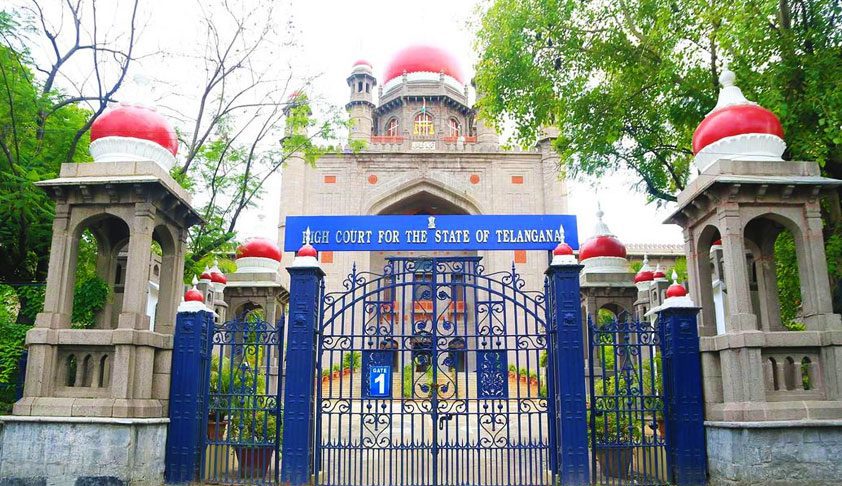
RJM Law represents individuals, property owners, business entities, employees, students, and citizens in writ petitions and administrative law matters before the High Court for the State of Telangana involving illegal administrative action, police interference, FIR disputes, municipal proceedings, revenue disputes, arbitrary government orders, habeas corpus petitions, constitutional remedies, and abuse of public power.
Constitutional provisions relating to writ jurisdiction and judicial review may be referred through India Code.
What Is a Writ Petition?
A writ petition is a constitutional proceeding filed before the High Court seeking judicial review of illegal action or unlawful inaction by government authorities, statutory bodies, tribunals, public institutions, or authorities performing public duties.
Under Article 226 of the Constitution of India, High Courts possess wide constitutional powers to issue directions, orders, and writs for protection of legal and constitutional rights and to ensure that public authorities act according to law.
Writ petitions may arise against:
- Government departments
- Police authorities
- Municipal corporations
- Revenue authorities
- Universities and educational institutions
- Statutory bodies
- Public authorities
- Regulatory authorities
- Tribunals and quasi-judicial authorities
- Government instrumentalities
A writ petition may become necessary where authorities:
- Fail to perform legal duties
- Pass arbitrary or illegal orders
- Exceed jurisdiction
- Violate principles of natural justice
- Abuse statutory powers
- Harass citizens unlawfully
- Delay lawful decisions
- Violate constitutional or legal rights
Judicial precedents relating to constitutional remedies and writ jurisdiction are frequently discussed on Indian Kanoon and LiveLaw.
Administrative & Government Actions That May Be Challenged Before High Court
Government Delay & Administrative Inaction
Constitutional remedies may be available where authorities repeatedly fail to process lawful applications, representations, or statutory duties despite repeated requests and supporting documentation.
Examples include:
- Delay in approvals or permissions
- Non-consideration of representations
- Delay in pension or retirement benefits
- Failure to issue certificates
- Refusal to release official records
- Failure to implement statutory obligations
- Non-disposal of applications
The High Court may direct authorities to consider and dispose of pending matters within a reasonable timeframe according to law.
Illegal Government Orders & Arbitrary Administrative Action
Affected individuals can challenge administrative decisions that are illegal, arbitrary, or passed without jurisdiction through writ proceedings.
Examples include:
- Cancellation of licences or permissions
- Blacklisting proceedings
- Demolition notices
- Municipal proceedings
- Revenue authority orders
- Seizure proceedings
- Regulatory actions
- Orders affecting business or property rights
- Cancellation of approvals without notice
Where authorities violate statutory procedure or principles of fairness, judicial review may be available before the High Court.
Police Harassment & Illegal Police Action
The High Court may intervene where police authorities abuse powers or unlawfully interfere with personal liberty and legal rights.
Matters may include:
- Illegal detention
- Police harassment
- Abuse of authority
- Illegal notices or coercive action
- Failure to register FIR
- Unlawful interference in civil disputes
- Violation of fundamental rights
- Illegal seizure or interference
Related criminal litigation and protection matters may also involve proceedings relating to bail, anticipatory bail, or FIR disputes.
FIR Quashing & Criminal Proceedings Quashing
The High Court may exercise jurisdiction to quash false FIRs, criminal proceedings, or chargesheets where continuation of proceedings amounts to abuse of legal process.
Common situations include:
- False criminal allegations
- Civil disputes converted into criminal litigation
- Mala fide prosecution
- Abuse of criminal process
- Lack of evidence
- Settlement between parties
- Matrimonial criminal disputes
- Commercial disputes converted into FIRs
Important constitutional and criminal law judgments are regularly reported through Indian Kanoon, LiveLaw, and Bar and Bench.
Habeas Corpus Petitions
A Habeas Corpus petition allows individuals to challenge illegal detention, unlawful confinement, or wrongful restrictions on personal liberty.
Examples may include:
- Illegal police custody
- Wrongful confinement
- Missing person matters
- Illegal detention situations
- Custody-related liberty disputes
Protection of personal liberty forms an important part of constitutional jurisdiction exercised by the High Court.
High Court Bail & Protection Matters
The High Court may also be approached in appropriate criminal matters involving:
- Anticipatory bail
- Regular bail
- Transit bail
- Protection from arrest
- Modification of oppressive conditions
- Protection against coercive action
Mandamus & Constitutional Directions Against Public Authorities
A writ of mandamus is issued by the High Court directing a public authority to perform its legal or statutory duty according to law.
Mandamus jurisdiction may arise where authorities:
- Fail to act
- Delay decisions unreasonably
- Ignore lawful applications
- Refuse to exercise statutory powers
- Misuse public authority
- Violate principles of natural justice
The High Court may direct authorities to process, consider, decide, or dispose of pending matters within a specified period.
Authorities Not Processing Applications
Writ petitions may be filed where authorities keep applications pending without lawful justification.
Examples include:
- Mutation applications
- Building permissions
- Occupancy certificates
- Trade licences
- Legal heir certificates
- Income or caste certificates
- Birth or death certificates
Municipal & Revenue Authority Disputes
Administrative litigation frequently arises against municipal and revenue authorities involving:
- Illegal constructions
- Encroachment disputes
- Drainage complaints
- Survey disputes
- Pattadar passbook disputes
- Mutation proceedings
- Land record corrections
- Boundary disputes
- Refusal to process permissions
Violation of Principles of Natural Justice
Administrative orders passed without notice, hearing, or procedural fairness may be challenged before the High Court.
Examples include:
- Licence cancellation without hearing
- Property sealing without notice
- Business closure orders
- Blacklisting without opportunity
- Disciplinary proceedings without enquiry
Courts frequently emphasize procedural fairness and legality in administrative action.
Educational Authority & University Disputes
Universities and educational authorities may also be challenged under writ jurisdiction where actions are arbitrary or contrary to regulations.
Examples include:
- Hall ticket denial
- Result withholding
- Degree certificate disputes
- Admission cancellation
- Scholarship disputes
- Illegal detention from examinations
Administrative Law & Constitutional Litigation Handled
Administrative and constitutional litigation handled by RJM Law includes:
- Writ petitions before High Court
- Government action challenges
- Administrative orders
- Police matters
- Municipal disputes
- Revenue authority litigation
- Educational authority disputes
- Regulatory proceedings
- FIR quashing petitions
- Chargesheet quashing matters
- Habeas corpus petitions
- Constitutional remedies
- Public authority litigation
- Protection of legal and constitutional rights
Recent developments relating to constitutional law and administrative litigation are regularly reported through LiveLawand Bar and Bench.
Constitutional Remedies Against Abuse of Public Power
The High Court exercises constitutional and supervisory jurisdiction to ensure that public authorities act fairly, legally, and within statutory limits.
Writ jurisdiction plays an important role in:
- Preventing abuse of public power
- Protecting personal liberty
- Enforcing statutory duties
- Protecting constitutional rights
- Ensuring administrative fairness
- Maintaining accountability of authorities
Judicial institutions exercising constitutional jurisdiction include the Supreme Court of India and the High Court for the State of Telangana.
Why Approach the High Court?
The High Court possesses constitutional authority to review illegal administrative action and protect legal rights against arbitrary exercise of power.
The High Court may intervene to:
- Protect constitutional rights
- Prevent arbitrary state action
- Safeguard personal liberty
- Enforce legal duties
- Ensure administrative fairness
- Review illegal orders and proceedings
- Prevent abuse of statutory powers
Where authorities act illegally or fail to discharge public duties, constitutional remedies under Article 226 may be available.
FAQs
What is a writ petition?
A writ petition is a constitutional proceeding filed before the High Court against illegal action or unlawful inaction of government authorities or public bodies.
Can government authorities be directed to process pending applications?
Yes. The High Court may direct authorities to consider and dispose of applications according to law within a reasonable timeframe.
Can a false FIR be quashed by the High Court?
Yes. In appropriate cases, the High Court may quash FIRs or criminal proceedings where continuation amounts to abuse of legal process.
Can police harassment be challenged before the High Court?
Yes. Illegal detention, unlawful interference, police harassment, abuse of authority, and violations of constitutional rights may be challenged through writ remedies.
What is Habeas Corpus?
Habeas Corpus is a constitutional remedy seeking production and release of a person who is illegally detained or unlawfully confined.
Can illegal government orders be challenged before the High Court?
Yes. Arbitrary, illegal, unfair, or unconstitutional administrative orders may be challenged under writ jurisdiction.
Is prior notice always required before filing a writ petition?
The requirement depends upon urgency, statutory provisions, nature of relief sought, and facts of the case.
Need Legal Assistance in a High Court Matter?
Illegal government action, police harassment, arbitrary administrative orders, FIR disputes, unlawful delays, municipal disputes, revenue proceedings, and violations of constitutional rights may require immediate legal remedies before the High Court.
RJM Law Hyderabad provides legal assistance in writ petitions, administrative law disputes, constitutional remedies, FIR quashing matters, habeas corpus petitions, and High Court litigation across Telangana.
For confidential consultation regarding constitutional remedies and administrative litigation, contact Advocate Rajasri Manche at RJM Law.

RJM LAW
At RJM Law, we believe that behind every case file is a human story that deserves to be heard with empathy and defended with integrity.
Quick links
Talk to Us
For enquiry and book an appointment
Talk to the Lead Counsel
Copyright 2026 RJM Law, All Right Reserved
Disclaimer: This Website is for information purpose and not solicitation